The DAISSy Research Team of the Hellenic Open University (HOU) is the Greek partner of the "DIDACTIVE - Develop Innovation in Digital and Agency Competences Training for Inclusive Vocational Education" European project, currently undergoing and aiming at transforming Vocational Education and Training (VET) by enabling adults to take control of their personal and professional development. The fundamental purpose of DIDACTIVE is to create innovative, inclusive training environments that help individuals, especially those facing disadvantages, to overcome barriers, so as to achieving their life and career goals.
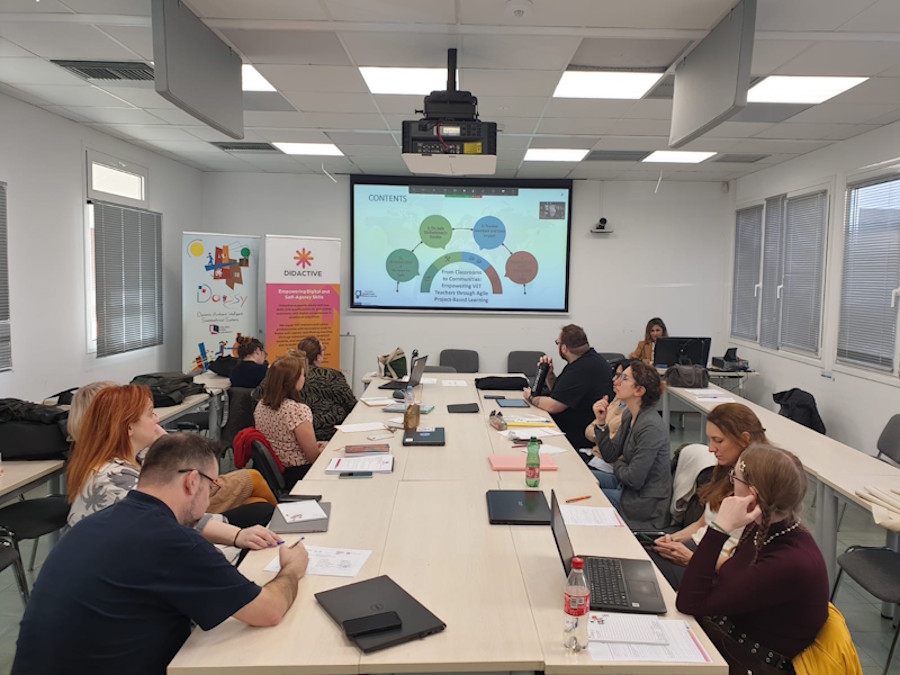
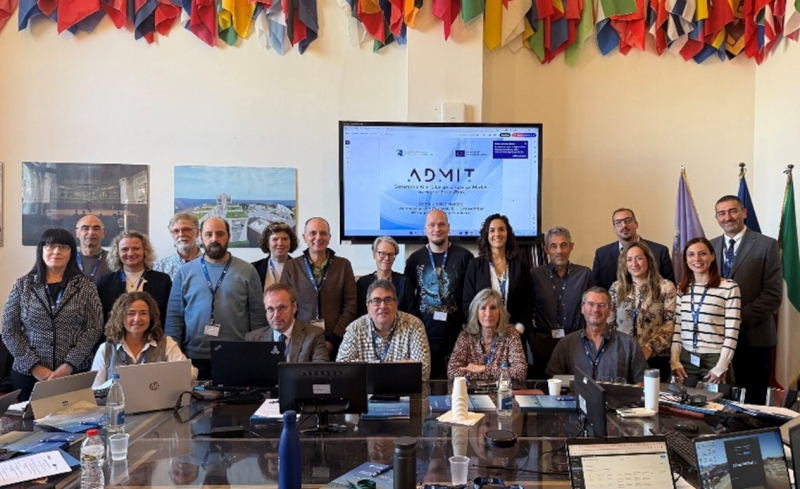
Specifically, the second Transnational Partners’ Meeting (TPM) of the DIDACTIVE project took place on May 22–23, 2025, was organized by the Hellenic Open University and was hosted at the Foundation's premises in Athens (Greece). It succeeded in bringing together the project partners from Italy, Austria, Croatia, France, the Netherlands, and Greece, with the main objective of harmonizing the progress of the project's implementation and planning the next steps.
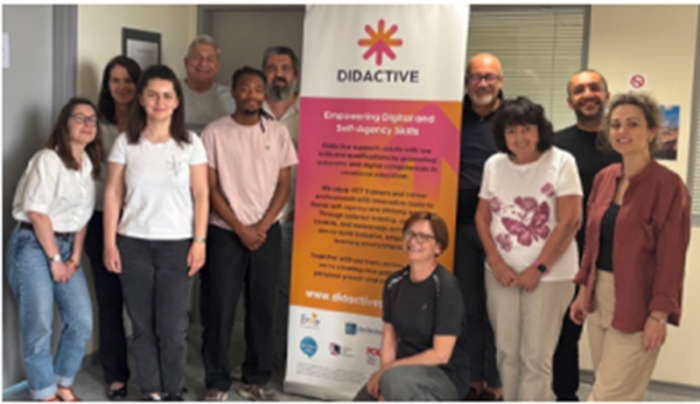
Specifically, during the 2nd TPM, DAISSy-HOU was represented by Panagiota Polymereopoulou, Senior Researcher of the Group, who actively participated in all sessions and also delivered a presentation about the design and the development of the blended training program.
It is noteworthy that during the 2nd TPM, the final version of the Methodological Framework, which defines how autonomy is taught in VET, was approved and by June 2026, it will be translated into all partner languages. At the same time, a blended training program is under development by DAISSy-HOU, which will include four thematic units:
- Imagination and Future Orientation
- Motivation and Action
- Self-regulation and Resilience
- Learning to Learn and Adaptation
In addition, a pilot implementation of the above modules is planned, to be followed by the organization of focus groups by each partner, which will include trainers/educators with the aim of evaluating the content of the training program.
It is noteworthy, that DAISSy-HOU will organize a special "Learning, Teaching, and Training Activity (LTTA)" in November 2025, in Patras (Greece), where twelve professionals, three from each project partner, will take part. The activity will include workshops and exchange of good practices, so as to equip the participants to be able to contribute to the implementation of the blended learning program in their countries. Through this LTTA process, it is expected that approximately eighty professionals and over two hundred adult learners will be involved in total.
It is a fact that the DIDACTIVE website has been activated and has already become a point of reference for providing information about the project's activities and its results to date. As part of the project's promotion, DAISSy-HOU, such as any partner, is expected to organize multiplier events in the upcoming period, ensuring the dissemination of DIDACTIVE's results. Emphasis will be put on the conference marking the project completion, which is scheduled to be held in 2026, in Italy and is expected to attract a large number of interested experts and related professionals, including representatives of authorities and civil society. At the same time, DAISSy- HOU, as well as the entire partnership, will ensure the continuous, active involvement of stakeholders and the dissemination of the DIDACTIVE deliverables at national and European level.
DIDACTIVE is a two-year project (30.10.2024-29.10.2026) funded by the ERASMUS Lump Sum Grant program of the European Union (EU). It is coordinated by “En.A.I.P. Piemonte” (Italy) and the project consortium includes six (6) partners in five (5) EU member states (Austria, Croatia, France, Greece, and the Netherlands). The DAISSy Research Group of the Hellenic Open University operates for the effective implementation of the project activities in Greece, while supporting relevant bodies, aiming at maximizing the exploitation of the project.
Stay tuned and learn more about the DIDACTIVE project of DAISSy-HOU.
The European Commission support for the production of this publication does not constitute endorsement of the contents which reflects the views only of the authors, and the Commission cannot be held responsible for any use which may be made of the information contained therein.